Accessories are where a lot of Indian buyers either quietly overspend or get burned by cheap, unreliable gear. "Accessories" covers a wide spread, chargers, cables, power banks, earbuds, keyboards, mice, phone cases, screen protectors, laptop bags, memory cards, and more, but the buying logic is surprisingly similar across all of them: match the accessory to the device you actually own, insist on genuine safety certification, and don't pay flagship prices for something you'll replace in two years.
The Indian market is flooded with three tiers of product: reputable brands (boAt, Portronics, Zebronics, Ambrane, Anker, Belkin, Logitech, Samsung, and the like), no-name imports sold under a dozen rotating labels, and outright counterfeits of premium brands. The middle and bottom tiers are cheap for a reason, and with anything that carries power (chargers, cables, power banks) a bad unit isn't just annoying, it's a fire and device-damage risk. This guide focuses on getting genuine, safe, well-matched gear without overpaying.
The good news: this is a category where patience pays. Prices swing hard during sale events, warranty and replacement policies vary a lot between sellers, and a little spec-matching (wattage, connector type, capacity) saves you from buying the wrong thing twice. Below is what actually matters, how much to spend, and the traps to avoid in 2026.
Our top accessories picks right now
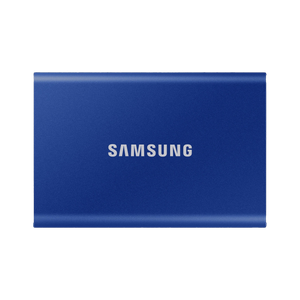
Samsung T7 Portable SSD 1TB
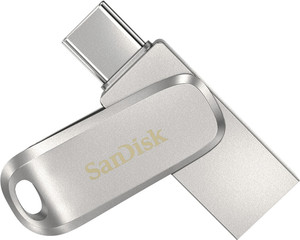
SanDisk Ultra Dual Drive Luxe USB Type-C 128GB
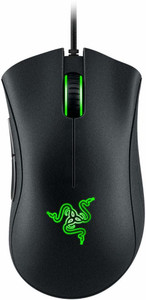
Razer DeathAdder Essential Wired Gaming Mouse
Want the full ranked list with filters and live prices?See all accessories ranked ›
What actually matters when buying accessories
What to expect at each budget
Who it’s for — the right accessories by person
Common mistakes to avoid
- Buying an uncertified or fake charger/power bank to save a few hundred rupees, the risk of frying your phone or an actual fire far outweighs the saving. Always check for the BIS mark and a real seller.
- Assuming a high-wattage charger will make any phone charge faster. If your phone caps at 25W, a 65W charger charges it at 25W, no faster. Match the protocol and wattage to your device instead of chasing the biggest number.
- Trusting the printed mAh on a power bank as usable capacity. Real output is about 60-70% of the rating, so a 10000mAh bank gives roughly 1.5-2 phone charges, not the '4 charges' some listings imply.
- Buying a 'universal fit' case or screen protector instead of the exact model version. Camera cutouts and button positions differ between base, Plus, and Pro variants, and a near-fit looks and functions worse than you'd think.
- Ignoring warranty and service reality. A cheap import with a paper '1-year warranty' but no Indian service presence is effectively unwarranted. Prefer brands with easy online replacement.
- Overspending on flagship-branded accessories for a mid-range device, spending ₹8,000 on earbuds paired with a ₹15,000 phone rarely makes sense. Spend proportionally to how much you actually use the item.
Tips for buying in India
- Time big purchases with sale events. Flipkart's Big Billion Days and Amazon's Great Indian Festival (both usually around Sept-Nov) plus Republic Day and Prime Day sales genuinely drop accessory prices and bundle bank/card discounts. Add items to your wishlist a few weeks early to track the real (pre-inflated) price.
- Prefer 'Sold by' reputable sellers or the brand's official store on Amazon/Flipkart, and for expensive items consider buying directly from the brand's own site. Counterfeit chargers, cables, and earbuds are common on marketplace third-party listings.
- Check the return and replacement window before buying, not the warranty. A 7-10 day easy-return is your fastest recourse for a dead-on-arrival unit; test the accessory fully within that window (charging speed, all ports, Bluetooth pairing) rather than waiting to discover a fault later.
- Keep the invoice/GST bill and box, warranty claims and replacements in India almost always require proof of purchase, and for brand service centres the serial number on the box matters. A photo of the bill saved to your phone is enough in most cases.
- For anyone with multiple USB-C devices, buy one good GaN multi-port charger instead of several single bricks. It travels lighter, reduces wall-socket clutter, and usually costs less than the separate chargers combined.
- Check for the BIS registration number on any power bank, charger or adapter before buying, it's mandatory in India and genuine brands print it on the box and the marketplace listing. A missing or vague BIS claim on a suspiciously cheap 'branded' unit is a red flag for a counterfeit that can damage your device or catch fire.
- Indian mains voltage swings and surges are hard on electronics, so plug expensive gear into a spike guard or surge protector rather than a bare extension board, and prefer chargers that explicitly list over-voltage and short-circuit protection. This matters most during monsoon storms and in areas with frequent power cuts.
- Match the cable to the job, not just the connector. A charge-only or USB 2.0 cable caps data at 480Mbps and will bottleneck transfers to an SSD, so for fast data buy a cable that quotes a Gbps speed; for fast charging, check its W/A rating meets your device or it will charge slowly and run warm.
- India now mandates USB-C as the common charging port on new phones and many devices, so when you replace accessories, standardise on USB-C. One good GaN charger and a couple of USB-C cables can then power your phone, laptop, earbuds and tablet, cutting clutter and keeping the kit useful for years.
Frequently asked questions
Is it safe to buy cheap chargers and power banks from online marketplaces?
Only if they carry a valid BIS registration and come from a reputable brand or the brand's official store. Genuine budget brands (Ambrane, boAt, Portronics) are fine. Avoid no-name listings and suspiciously cheap 'branded' units from unknown third-party sellers, counterfeit power gear is a real fire and device-damage risk, and the tiny saving isn't worth it.
Do I really need the original brand's charger, or will a third-party one work?
A good third-party charger that supports your phone's charging protocol (PD, QC, VOOC/Warp, etc.) works fine and is often better value, especially GaN multi-port units. The key is protocol and wattage matching. For Oppo/OnePlus/realme fast charging specifically, note their VOOC/SuperVOOC is proprietary, so a generic PD charger may fast-charge slower unless it explicitly supports it.
How much power bank capacity should I actually buy?
For topping up a phone on the go, 10000mAh is the practical sweet spot, light, gives about 1.5-2 charges, and is airline-friendly. Go 20000mAh if you charge multiple devices or travel long days. Above 20000mAh (roughly 100Wh) you get diminishing portability and potential airline carry-on restrictions. Prioritise an 18W+ PD/QC output port over raw capacity.
Are expensive braided cables worth it over cheap ones?
Yes, for anything you use daily. Cheap cables fray at the connector and fail within months, while a good braided cable rated for the right current lasts years. Also make sure the cable's current/wattage rating matches your fast charging, an underrated cable bottlenecks charge speed and can heat up. It's a small spend that prevents repeat purchases.
Should I wait for a sale to buy accessories?
For anything above ₹1,500, usually yes. Big Billion Days, Great Indian Festival, Prime Day and Republic Day sales drop prices meaningfully and stack card/bank offers. Watch the item for a few weeks first so you know the genuine price, some listings inflate the 'original' price just before a sale. For a ₹300 cable you need today, don't bother waiting.
How do I know if earbuds or headphones are worth the price?
Match features to your use. Commuters and callers benefit from ANC/ENC and good mic quality; casual listeners are well served by ₹1,000-2,000 TWS. Check real battery life per bud (not just the case total), Bluetooth 5.1+, and the codec (AAC for iPhone, LDAC/aptX for higher fidelity). Spending flagship money (₹15,000+) only makes sense if audio quality or ecosystem features genuinely matter to you.
Which accessories should a college student buy first?
In order of impact: a foldable laptop stand (about ₹1,500-1,800) to stop neck and back pain during long study sessions, then a 10000-20000mAh power bank for full campus days and outages, then one reliable 100W braided USB-C cable and a decent wired mouse. That's roughly ₹3,000-4,000 total. Skip a mechanical keyboard and premium mouse until you actually feel limited by what you have.
What accessories are best and safest for elderly parents?
Choose gear that is simple to operate and hard to get wrong. A power bank with a single button and a clear LED battery indicator, chunky easy-grip cables with reversible USB-C ends, and a sturdy stand for video calls make daily use painless. Avoid tiny magnetic connectors, touch-only controls and multi-button gaming mice, and stick to BIS-certified brands like boAt, Ambrane or Portronics with Indian service support. Around ₹1,500-3,000 covers a comfortable set.
What's a safe first set of accessories for a child's phone or tablet?
Protection before power. Start with a shock-absorbing rugged case and a tempered-glass screen guard (roughly ₹500-1,200 together), plus one short 1m BIS-certified cable so it's less of a tangle hazard. Hold off on giving young children their own power bank, cheap or damaged lithium packs are a genuine fire risk, and a child is unlikely to handle one carefully. If they need charge on the go, a supervised family power bank is safer.
I work from home on a tight budget, which accessories matter most?
Fix your posture first, it's the cheapest big win. A laptop stand plus a basic external keyboard and mouse (about ₹3,000-4,000 combined) raises the screen to eye level and stops the hunched-over laptop slump that causes neck and wrist pain. After that, a single 65W GaN charger tidies your desk and travels well. An expensive ergonomic mouse can wait until the essentials are sorted.
For a content creator, should I spend on storage or on power first?
Storage first. A rugged portable SSD (1TB+, 1000MB/s+ over USB-C) protects your footage and offloads a shoot in minutes, whereas a slow HDD or a cheap 480Mbps cable turns backups into an hour-long wait. Buy the SSD and a proper Gbps-rated data cable before upgrading power. Then add a high-wattage power bank so your laptop and cameras survive a full day on location.