Buying a camera in 2026 is confusing mostly because your phone already takes great photos. So the honest first question isn't "which camera?" but "what will a camera do that my phone can't?" The real answers are optical zoom (reaching faraway subjects like wildlife, sports, or your kid on a stage), low-light performance, control over background blur, and the sheer keeper-rate when photographing fast-moving things. If none of those matter to you, a good phone is genuinely the smarter buy.
If you do want a dedicated camera, the good news is that 2026 is a great time. Mirrorless cameras have fully replaced DSLRs as the mainstream choice, autofocus with subject detection (eyes, faces, animals, vehicles) has trickled down to entry-level bodies, and there's a healthy used market in India. The main thing to understand is that you're buying into a lens system, not just a body. The body you buy today will likely be replaced in 4-5 years, but good lenses last a decade or more, so the brand's lens lineup and prices matter as much as the camera itself.
This guide focuses on what actually changes your photos, realistic INR budgets including lenses (not just the body price you see advertised), and the India-specific stuff nobody warns you about: grey-market imports with no warranty, why service centres are only in metros, and how to time purchases around Big Billion Days and the Great Indian Festival.
Our top cameras picks right now
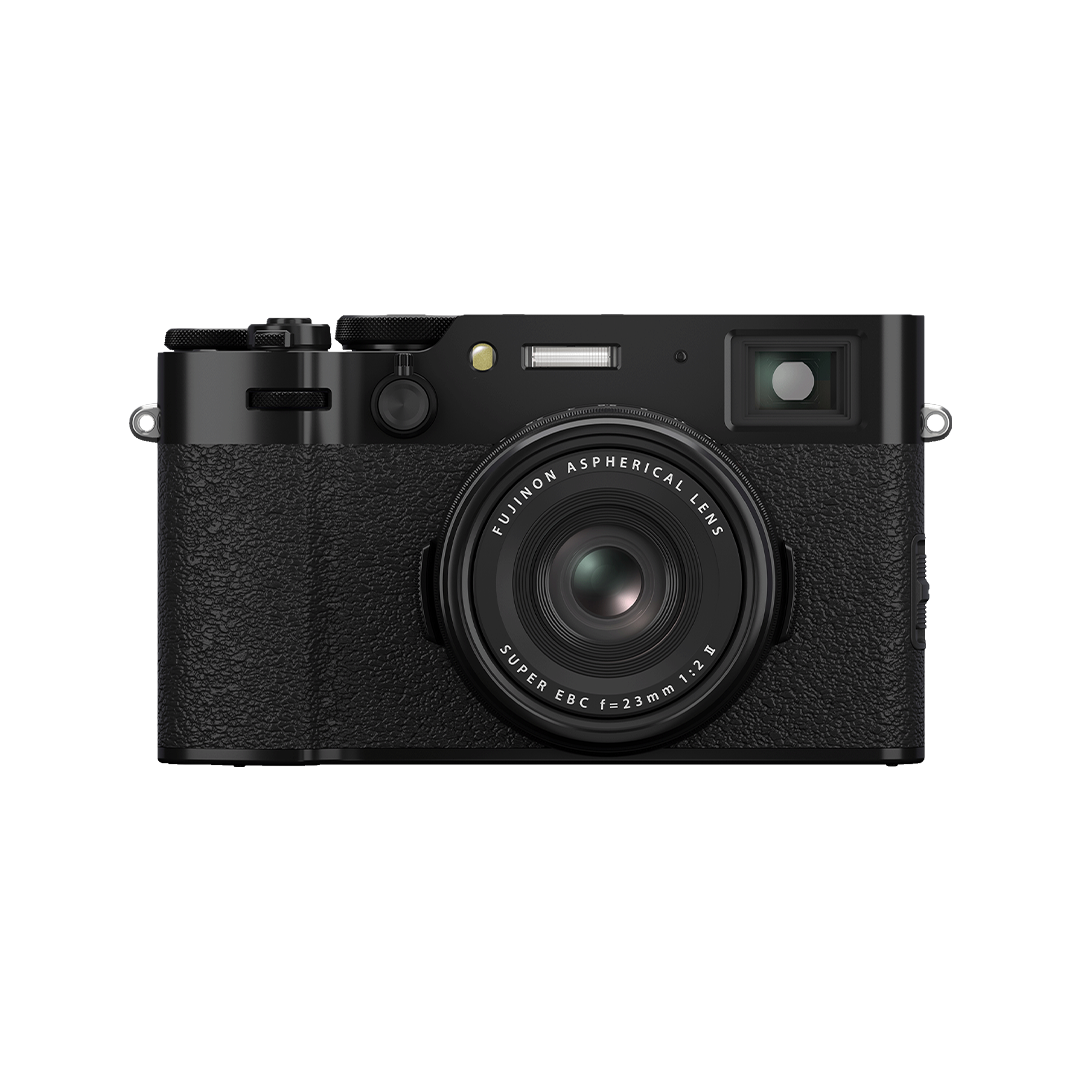
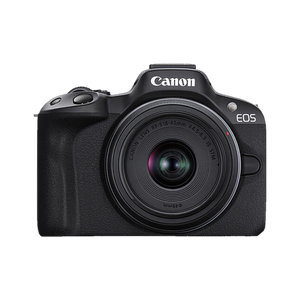
Canon EOS R50 (with RF-S 18-45mm IS STM)
Want the full ranked list with filters and live prices?See all cameras ranked ›
What actually matters when buying cameras
What to expect at each budget
Who it’s for — the right cameras by person
Common mistakes to avoid
- Obsessing over megapixels. A 24MP full-frame will beat a 48MP tiny sensor in almost every real situation. More megapixels mainly mean bigger files, not better photos, unless you print huge or crop heavily.
- Blowing the whole budget on the body and forgetting lenses cost money too. The advertised body price is not your real cost. Always budget for at least one good lens beyond the kit, plus a spare battery and memory card.
- Buying grey-market/imported stock to save money. These often have no valid India warranty, no local service support, and sometimes non-Indian firmware or plug types. If the price seems too good to be true on a marketplace, it usually is.
- Buying more camera than you'll grow into. A pro full-frame body sits in a cupboard if the hobby fades. Start mid-range, learn what you actually shoot, then upgrade with real knowledge.
- Ignoring the used market out of fear. A used enthusiast body from a trusted seller (check shutter count, test autofocus and all buttons, inspect the sensor) can get you far more camera for the money than buying new entry-level.
- Assuming a camera will magically make you a better photographer. Gear helps at the margins; learning composition, light, and your camera's controls matters more. Don't upgrade to escape a skills problem.
Tips for buying in India
- Verify India warranty in writing before you pay. Ask the seller to confirm it's an official India-warranty unit (Sony India, Canon India, Nikon India, Fujifilm India) with a valid bill; register the product on the brand's site after purchase. Grey imports look identical but leave you stranded if something breaks.
- Time big purchases around sale events. Flipkart's Big Billion Days and Amazon's Great Indian Festival (usually around October, Diwali season) plus summer sales often bring genuine camera and lens discounts, bank card cashback, and no-cost EMI. Note the price a few weeks earlier so you can spot fake 'discounts'.
- Check where your nearest brand service centre is before choosing a brand. Authorized service is largely concentrated in metros (Delhi, Mumbai, Bengaluru, etc.). If you're in a smaller city, factor in shipping the camera for repairs, and lean toward brands with better service reach.
- Buy from authorized retailers or the brand's official online store, and keep the invoice safe. For lenses especially, official third-party options (Sigma, Tamron, Viltrox) sold with India warranty can save you a lot versus first-party glass; confirm mount compatibility.
- Factor in the extras that sneak up: a spare battery, one or two fast SD cards, a basic bag, and a UV/protective filter. Budget roughly ₹5,000-10,000 on top of the camera-and-lens cost so you're not caught short on day one.
- India's humidity is your lens's enemy. In coastal and monsoon-heavy regions, fungus can grow inside lenses and cameras within months of neglect. Store gear in an airtight box with fresh silica-gel sachets, or if you own several lenses, invest in an electronic dry cabinet (from around ₹5,000). It's far cheaper than a fungus-cleaning service or a ruined lens.
- Rent before you buy the expensive stuff. Camera-rental shops in most metros, and a few online rental services, will lend you a body or a pricey lens for a weekend for a few hundred to a couple of thousand rupees. Trying a camera on a real shoot tells you more about its weight, handling and whether you'll actually use it than any spec sheet or YouTube review.
- Buy memory cards only from reputable sellers. Counterfeit and re-labelled SD cards are common on marketplaces and will corrupt photos or fail mid-shoot. Stick to genuine SanDisk/Samsung/Lexar/Sony cards sold and shipped by the platform itself or a brand-authorized seller, pick the write speed your camera's 4K or burst mode needs, and keep the invoice.
Frequently asked questions
Should I just use my phone instead of buying a camera?
For everyday snaps, social media, and good light, a modern phone is genuinely excellent and more convenient. Buy a dedicated camera only if you specifically need optical zoom (wildlife, sports, stage), much better low-light quality, real control over background blur, or fast autofocus for kids and pets. If those don't apply, save your money and upgrade your phone.
DSLR or mirrorless in 2026?
Mirrorless, in almost all cases. The industry has moved on; new lenses, bodies, and autofocus tech are focused on mirrorless. DSLRs still take great photos and can be a bargain used, but you're buying into a system that's no longer being developed. Only consider a DSLR if you get a great used deal and already own compatible lenses.
Which brand should I buy?
There's no single best brand; they're all good. Choose based on the lenses you'll want and their India prices, how the camera feels in your hands, and service centre access in your city. Sony, Canon, and Nikon have the widest ecosystems; Fujifilm is loved for its colours and compact APS-C bodies; consider third-party lens availability (Sigma, Tamron, Viltrox) since it saves a lot of money.
Is it safe to buy a used camera in India?
Yes, if you're careful. Buy in person or from a reputable used dealer, check the shutter count (there are apps/websites for this), test every button and dial, run autofocus in different conditions, inspect the sensor for dust or scratches, and confirm the battery holds charge. A used enthusiast body often beats a new entry-level one for the same money.
How much should I really budget in total?
Take the body-plus-kit-lens price and add roughly 25-40% for the stuff you'll inevitably need: at least one better lens, a spare battery, memory cards, and a bag. A realistic first serious setup lands around ₹55,000-90,000 all-in. Buying the body alone and skimping on lenses is the most common way people end up disappointed.
Do I need 4K video and all the fancy video features?
Only if you'll actually shoot video. Most 2026 cameras do decent 4K anyway, so don't overpay chasing high frame rates, 10-bit recording, or long record times unless you're a content creator or videographer. If you're photo-first, put that money toward a better lens or sensor instead.
Which camera is best for a college student?
For most students the best pick is a current entry-level APS-C mirrorless with a kit lens (the Canon EOS R50, Sony ZV-E10 or Nikon Z50 II class), roughly ₹50,000-₹70,000. It handles assignments, reels, a photography course and travel on one body, and the vari-angle screen helps if you shoot yourself. Buy during a Big Billion Days / Great Indian Festival sale on no-cost EMI, and add a ₹10-12k 50mm f/1.8 prime a few months later rather than a second zoom. If money is very tight, a carefully-bought used body or a premium compact is a sensible step down.
What's a good first camera for a child or teenager?
Match it to how careful they are, not to the spec sheet. For a younger child or an active teen, a rugged action camera (GoPro/DJI/Insta360 style, ₹8,000-₹25,000) or a used point-and-shoot survives drops, pools and school trips and teaches them to frame a shot without the anxiety of a fragile ₹60k body. Only step up to an entry mirrorless once they've shown genuine, sustained interest. Buy the case, strap and a spare card at the same time so it actually gets used and looked after.
A good camera for elderly parents who find gadgets confusing?
Prioritise light weight, a comfortable grip, a bright screen and a foolproof Auto mode over megapixels or video features. A lightweight APS-C mirrorless or, often better, a superzoom with one long built-in lens means no fiddly lens changes and plenty of reach for birds, temples and holidays; budget ₹40,000-₹75,000. Take them to a store to hold it and try the menus first, then set it to Auto, enable Wi-Fi transfer to their phone, and write down the two or three settings they'll actually use.
Which camera is best for a parent photographing kids' sports and school functions?
The two things that matter are fast, sticky autofocus with subject/eye detection and enough zoom reach for a stage or a field. An entry-to-mid APS-C mirrorless plus a telephoto zoom (a 55-210 or 18-135 type lens) is the practical combo; budget ₹60,000-₹95,000 including the longer lens. A one-lens superzoom bridge camera is a cheaper, lighter alternative if you'd rather not swap lenses. Either way, carry a spare battery because functions and sports days run long.