Chargers seem like the most boring thing you can buy, right up until your phone is at 3% before a train journey and the cheap adapter you grabbed at a roadside shop refuses to charge past a trickle. In 2026, chargers have quietly become smart little computers, and buying the right one saves you money, protects your expensive devices, and gets you back to full battery in half the time.
The good news: you almost never need to buy the pricey charger your phone brand sells. A well-chosen third-party charger from a reputable Indian or global brand often charges just as fast for less money, and one good charger can power your phone, tablet, earbuds, and even a laptop. The catch is knowing which numbers actually matter and which are marketing fluff.
This guide cuts through the jargon. We will explain wattage, USB-C PD, GaN, and fast-charging standards in plain English, tell you what to realistically expect at each INR budget, and flag the traps that catch most buyers, from fake wattage claims to the wrong cable quietly throttling your fast charger.
Our top chargers picks right now
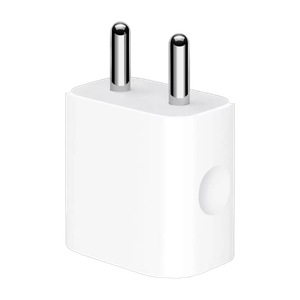
Apple 20W USB-C Power Adapter
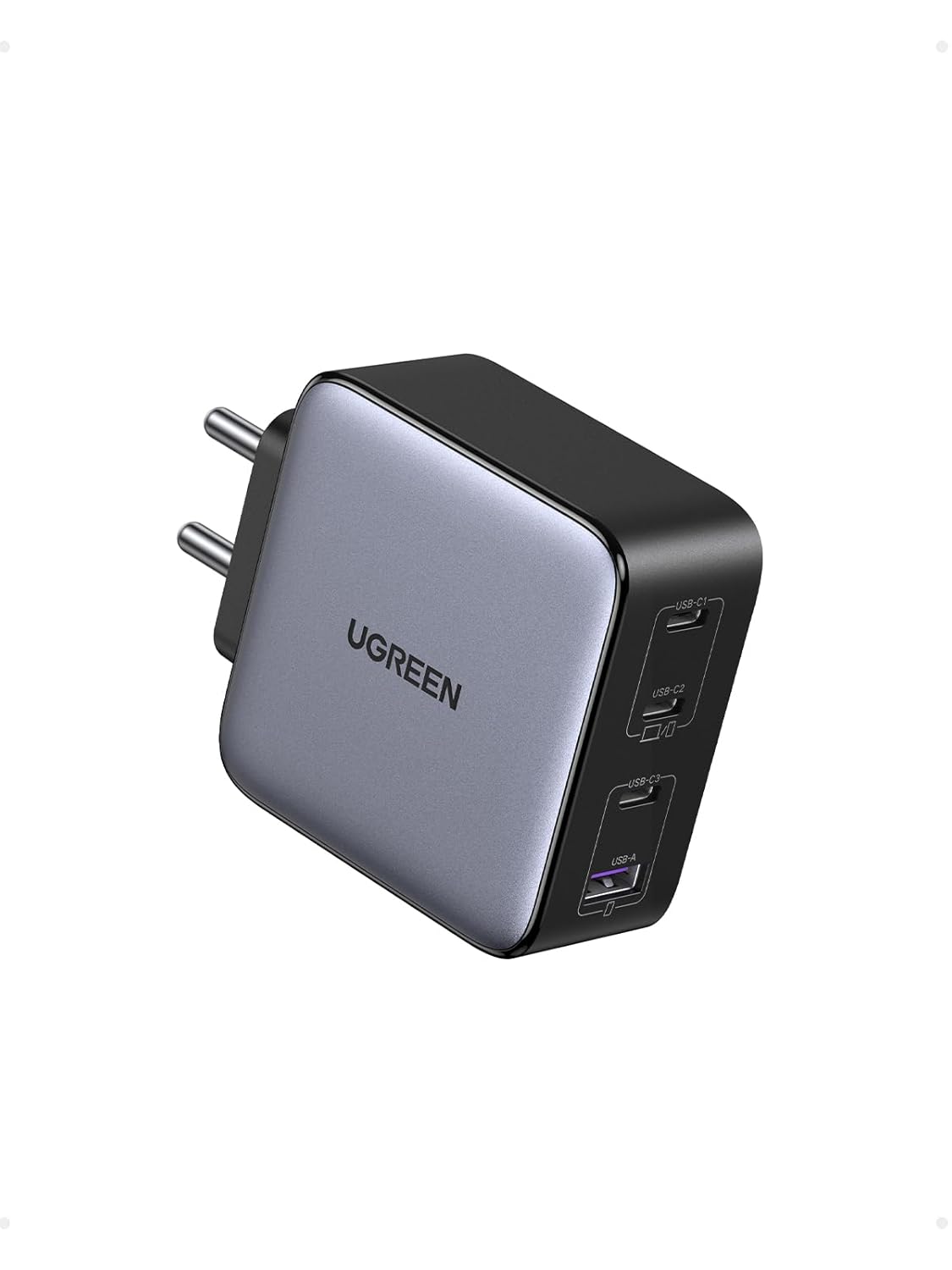
UGREEN Nexode 100W 4-Port GaN Charger

Anker Prime 100W 3-Port GaN Charger (A2688)
Want the full ranked list with filters and live prices?See all chargers ranked ›
What actually matters when buying chargers
What to expect at each budget
Who it’s for — the right chargers by person
Common mistakes to avoid
- Buying a super-cheap unbranded charger at a mobile shop or roadside stall. These often lack BIS certification and real safety protection, charge slower than claimed, and can damage your battery or device during a power fluctuation. The ₹150 saving is not worth risking a ₹40,000 phone.
- Chasing the highest wattage number for a phone-only use case. A 100W charger will not charge your 25W phone any faster than a 30W charger will. Match the wattage to what your device accepts and save the money.
- Ignoring the cable. People buy a 65W charger, keep using their old cheap cable, and wonder why charging is slow. Fast charging needs a cable rated for that wattage, ideally e-marked for 60W+ loads.
- Assuming any fast charger unlocks your phone's top speed. OnePlus, Oppo, Realme and similar phones need their own SUPERVOOC/VOOC charger for peak speeds. A generic PD charger will still charge them, just at slower standard PD rates.
- Forgetting that multi-port wattage is shared. A '65W' two-port charger does not give 65W to each port at once. If you regularly fast-charge two demanding devices together, check the per-port breakdown before buying.
- Overlooking heat and size for daily carry. A bulky, hot-running old-style brick is a pain to carry and slower to cool. For anything 45W+, GaN is worth it for a cooler, pocketable charger.
Tips for buying in India
- Time big purchases with sale events. Amazon's Great Indian Festival and Flipkart's Big Billion Days (both usually around Sept-Nov) plus Republic Day sales in January regularly discount Anker, Ugreen, and Spigen chargers 30-50%. Chargers are low-priority buys, so it is easy to wait for a sale.
- Verify BIS certification and prefer brands with Indian service/RMA. Legitimate chargers carry a BIS registration. Brands like boAt, Portronics, Ambrane, Stuffcool, and increasingly Anker/Ugreen offer easy replacement in India if a unit fails within warranty, usually 12-18 months.
- Buy from official brand stores on Amazon/Flipkart, not random third-party sellers. Counterfeit Anker and Ugreen chargers are common. Check that the listing says 'sold by' the brand or an authorised distributor, and be wary of prices that look too good.
- If you own an iPhone, Samsung, Nothing, Pixel or Motorola, just buy any good PD/PPS charger. These phones use the open standard, so a ₹1,000 Anker or Ugreen 30W-45W GaN charger fast-charges them exactly like the brand's own, often for less.
- Keep the ₹1 rule of thumb in mind for value: around ₹1,000-1,500 buys a genuinely good 65W GaN charger that will serve you for years across multiple phone upgrades. Spending here once beats buying three cheap chargers that die or underperform.
- India's mains voltage swings a lot, especially during monsoon spikes and load-shedding. Prefer a GaN charger rated for wide 100-240V input (most are) and, in spike-prone areas, plug it into a surge-protected extension board rather than straight into an unreliable wall socket.
- Buy the charger and a matching cable as a set. A 65W or 100W charger paired with an old or cheap cable will silently throttle, high-wattage charging above 60W needs an e-marked USB-C cable rated for that current, so budget ₹200-500 extra for a good one.
- Give chargers room to breathe and keep ports clean. Do not charge phones under a pillow or buried in bedding where heat builds up, and clear pocket lint out of the charging port with a toothpick, a clogged port is one of the most common causes of 'slow charging' complaints in India.
- In a shared home, label each charger with its wattage using a bit of tape. It stops a slow 20W brick ending up permanently on the laptop while a 100W unit is wasted on earbuds, and makes sure the right device always gets the right speed.
Frequently asked questions
Do I really need to buy a charger separately now that phones do not include one?
Often yes. Many phones now ship without a charger in the box, or with a slow basic one. If you want fast charging, budget ₹700-1,500 for a good separate charger. The upside is you can buy one better charger that outlasts several phones.
Is a third-party charger safe for my expensive phone?
Yes, if it is from a reputable brand and BIS certified. Good chargers from Anker, Ugreen, Spigen, Portronics and similar have proper safety circuitry and negotiate the correct power with your phone. The real risk is unbranded roadside chargers, not established brands.
Can one charger power both my phone and my laptop?
Absolutely, and this is the smart move in 2026. A 65W GaN USB-C PD charger will fast-charge most phones and comfortably run thin-and-light laptops and MacBook Air. For a heavy gaming laptop or MacBook Pro, step up to 100W-140W.
Why is my fast charger charging slowly?
Usually one of three things: the cable is not rated for the charger's wattage, your phone uses a proprietary standard the charger does not support, or you are charging two devices on a shared multi-port charger. Swap to a high-wattage cable and test on a single port first.
What is GaN and is it worth paying extra for?
GaN (Gallium Nitride) is a chip material that makes chargers much smaller and cooler for the same power. For 45W and above, or if you travel, it is worth the small premium. For a basic 20-30W phone charger, standard silicon is fine and cheaper.
Should I wait for a sale to buy a charger?
If you have a working charger, yes. Great Indian Festival, Big Billion Days, and Republic Day sales routinely cut premium charger prices by a third or more. If you are stuck without one right now, buy an affordable branded model and upgrade during the next sale.
Which charger is best for a college student?
A 65W GaN charger with two ports (usually 1x USB-C + 1x USB-A) in the ₹1,200-1,800 range. It fast-charges the phone and can also power a thin-and-light laptop or MacBook Air, so one brick covers hostel life where sockets are limited. Pick a model with foldable pins for travel, and buy it during a Big Billion Days or Great Indian Festival sale where good GaN chargers regularly drop 30-40%.
What's a good charger for elderly parents?
First, check the port their phone uses, many seniors still have micro-USB phones, so buy a matching charger rather than assuming USB-C. Choose a simple single-port 20-33W unit from a trusted brand (₹500-800) with a longer 1.5m cable so they can use the phone comfortably while it charges. Avoid multi-port bricks and anything fiddly; a charger with a built-in cable is even better since there is nothing separate to lose.
What's a safe first charger for a school kid's phone?
A branded, BIS-certified single-port 30-33W charger for around ₹400-700, from names like Mi, Realme, Portronics or Ambrane. High wattage is pointless here, a budget phone only pulls what it is rated for, so spend the money on safety and a durable cable instead. The most important habit to teach is never to use the cheap unbranded chargers sold at roadside stalls, which lack real protection and can damage the battery.
Best charger for a content creator carrying a camera, phone and laptop?
A 100W (or higher) GaN charger with 3-4 ports, including at least one USB-A for older camera chargers and audio gear. This lets you top up the laptop, phone and camera batteries from a single compact brick on location. Budget ₹2,500-5,000, and always pair it with an e-marked 100W cable, otherwise the laptop silently charges at a lower wattage.
Do gamers need a special charger?
It depends on the device. Gaming phones like iQOO, Redmi and OnePlus hit their advertised 80-120W speeds only with the brand's own SUPERVOOC/Warp charger; a standard PD charger will still charge them, just slower. For gaming laptops you need a 100-140W GaN brick. In both cases favour a charger that runs cool, since sustained heat during long sessions is what ages a battery fastest.