Smartwatches in India have split into two very different worlds, and knowing which one you're shopping in saves you both money and disappointment. On one side are affordable "budget smartwatches" from brands like Noise, boAt, Fire-Boltt and Amazfit, mostly priced between ₹1,500 and ₹8,000. On the other are proper smartwatches from Apple, Samsung and Google that run real apps, cost ₹20,000 and up, and are tied to your phone's ecosystem. The middle is filled by fitness-focused bands and watches from Garmin, Amazfit and Samsung.
The single biggest thing to sort out before anything else is your phone. An Apple Watch only works with an iPhone, full stop. Wear OS watches (Samsung Galaxy Watch, Google Pixel Watch, OnePlus Watch) work best with Android and lose features on iPhone. Budget Indian-brand watches pair with both but do far less. So your existing phone often decides your options more than your budget does.
Be honest about why you want one. If it's step counting, notifications, and telling time with a nice screen, a ₹3,000 watch does that surprisingly well. If you want accurate heart-rate for real training, reliable GPS, fall detection, or app payments on your wrist, you're looking at a genuinely higher spend and should not expect a ₹2,000 watch to deliver it. Below is what actually matters, what each budget gets you, and the traps to avoid.
Our top smartwatches picks right now
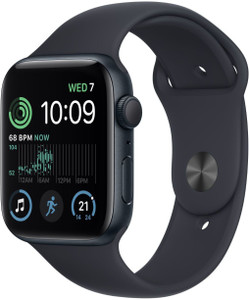
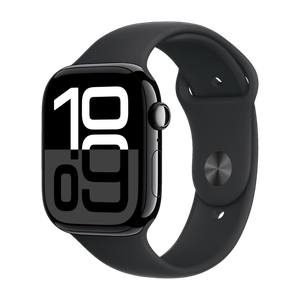
Apple Watch Series 10 (GPS, 42mm)
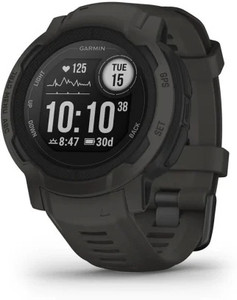
Garmin Instinct 2
Want the full ranked list with filters and live prices?See all smartwatches ranked ›
What actually matters when buying smartwatches
What to expect at each budget
Who it’s for — the right smartwatches by person
Common mistakes to avoid
- Buying an Apple Watch with an Android phone (or expecting a Galaxy/Pixel Watch to work fully on an iPhone). Ecosystem mismatch cripples features; sort compatibility first.
- Trusting inflated battery and sensor claims on the box. 'Up to 15 days' usually assumes the screen off and features disabled; real life is often half. Treat budget SpO2 and sleep data as rough trends, not medical facts.
- Paying for medical-sounding features (ECG, blood oxygen, 'BP monitoring') on cheap watches and believing them. These are estimates for wellness, not diagnosis, and BP on a wrist watch in particular is unreliable.
- Chasing the biggest spec sheet instead of the best companion app. A watch you sync with daily lives or dies by its app; a laggy, ad-heavy app makes a good watch frustrating.
- Assuming 'GPS' means built-in GPS. Many budget watches only have 'connected GPS' that needs your phone in your pocket, defeating the point of leaving the phone at home on a run.
- Ignoring the water rating and then wearing it swimming. IP67/IP68 is for rain and sweat; you need 5ATM/WR50 for actual swimming.
Tips for buying in India
- Time big purchases for sale events. Flipkart's Big Billion Days and Amazon's Great Indian Festival (around Sept-Nov) plus Republic Day sales bring genuine drops on Apple, Samsung and Garmin, often with bank-card instant discounts and no-cost EMI. Budget watches are cheap year-round, so sales matter more for the ₹15,000+ tier.
- Check warranty and service reach for your city. Apple and Samsung have strong service networks; Garmin and Amazfit are thinner, and some budget brands rely on courier-based replacement. For an expensive watch, confirm there's a service centre you can actually reach.
- Buy from authorised sellers to keep the warranty valid. Grey-market or 'imported' Apple/Samsung units sold cheap on some marketplaces often carry no India warranty; stick to official brand stores, Croma, Reliance Digital, or the brand's own listing on Amazon/Flipkart.
- Factor in the strap and charger reality. Budget watches use proprietary chargers that are hard to replace if lost, and cheap straps wear out fast; a common strap size (20mm/22mm) lets you buy affordable replacements locally.
- Ignore the marketing 'watch face count' and heart-count sleep scores. Judge a watch on screen readability outdoors, notification reliability, and battery in your real use; borrow a friend's or read India-specific video reviews before buying.
- On Indian Android phones (Xiaomi, Realme, Vivo, Oppo, Samsung), the companion app is aggressively killed in the background, so notifications and overnight sync silently stop. After pairing, go into settings and disable battery optimisation for the watch app and enable 'autostart' so it keeps running.
- Do not pay extra for an LTE/cellular ('eSIM') variant unless you have confirmed your carrier supports watch eSIM on your specific plan; support in India is patchy across operators, and most people never activate it, wasting the premium.
- Buy from a platform with an easy 7-10 day return window and actually test-drive the watch: check notification reliability, whether the strap fits a smaller wrist, and if the skin sensor is comfortable overnight, before you commit past the return period.
- For cheap AMOLED watches, add a 100-200 rupee tempered-glass film from any local mobile shop on day one; these screens scratch easily, and an unscratched watch holds far more resale value when you upgrade.
Frequently asked questions
Are cheap Indian-brand smartwatches (Noise, boAt, Fire-Boltt) any good?
Yes, for what they are. Under ₹5,000 they give you a good-looking AMOLED screen, notifications, Bluetooth calling and basic step/sleep/heart-rate tracking that's fine for casual awareness. Just don't rely on their health numbers for training decisions, and don't expect app payments, accurate GPS, or long-term software updates.
Do I really need to charge a smartwatch every day?
Only the premium ones. Apple Watch and most Wear OS watches last about a day to a day and a half, so daily charging is normal. Budget watches and Garmins last many days to weeks. If daily charging annoys you, avoid Apple/Wear OS or pick a Garmin/Amazfit.
Can a smartwatch measure blood pressure or replace a doctor?
No. Wrist-based blood pressure is unreliable, and even ECG/SpO2 on premium watches are wellness features that flag possible issues, not medical diagnoses. They're useful for spotting trends and reminders to get checked, but never a substitute for a proper medical device or a doctor.
Is it worth waiting for Big Billion Days or the Great Indian Festival?
For watches above ₹15,000, yes. Those sales (typically Sept-Nov) plus bank-card discounts and no-cost EMI meaningfully cut the price of Apple, Samsung and Garmin models. Cheap budget watches are already low-priced all year, so waiting saves little there.
What's the difference between a fitness band and a smartwatch?
A band (like a slim tracker) is smaller, cheaper, and focused on steps, sleep and heart rate with a narrow screen. A smartwatch has a full square/round display, more apps, calling, and richer features. Bands win on battery and comfort for sleep tracking; watches win on everything else.
Will my imported or grey-market Apple/Samsung watch get India warranty?
Usually not. Units brought in unofficially or sold suspiciously cheap often have no valid India warranty, and service centres can refuse them. Buy from authorised channels (brand stores, Croma, Reliance Digital, official Amazon/Flipkart listings) so you're covered if something fails.
Which smartwatch is best for a college student?
Stay in the 3,000-6,000 value band, where a CMF by Nothing Watch Pro 2 (around 4,499) or an Amazfit Bip/Active gives you a bright AMOLED screen, discreet vibration alerts during class, Bluetooth calling and several days of battery so you are not carrying a charger around campus. Only go for an Apple Watch or Wear OS watch if you already own the matching phone and want on-wrist payments, otherwise it is overkill for student use.
What is a good smartwatch for elderly parents?
For safety, the features that matter are reliable fall detection and one-touch SOS calling, which realistically means an Apple Watch SE (about 24,000, needs an iPhone) or a Samsung Galaxy Watch on Android; budget watches advertise these but do not perform them dependably. Also prioritise a large, bright screen with big fonts and simple charging. If the higher spend is not feasible, a 3,000-6,000 bright budget watch works for time, reminders and heart-rate trends, but do not treat its BP or ECG readings as medical facts.
Should I buy a smartwatch as a child's first watch?
For a teen, an entry budget AMOLED watch (1,500-3,500) from Noise, boAt or Fire-Boltt is plenty for notifications, steps and a clock, and a tempered film plus a cheap replaceable strap will survive rough handling. For a younger child, SIM-based 'kids GPS watches' exist for location and calling, but weigh the recurring SIM/data cost, privacy of a third-party tracking app, classroom distraction and your school's gadget rules before buying. Skip any watch sold on medical features.
Best smartwatch for a working professional who is always in meetings?
You want discreet wrist alerts to triage calls and messages without pulling out your phone, plus calendar and on-wrist UPI or Apple Pay, which only real ecosystems (Wear OS or Apple Watch) support. A Samsung Galaxy Watch FE (around 11,999), Galaxy Watch 7 or Apple Watch SE fits, but accept that these charge daily. If you only need silent notifications and long battery, a 4,000-8,000 Amazfit with a formal metal strap does the job for far less.
Which smartwatch should a serious runner or gym-goer buy?
Look for built-in GPS (not connected GPS that borrows your phone), accurate optical heart-rate and a 5ATM rating if you swim. An entry Garmin (15,000-25,000) or a higher Amazfit (8,000-15,000) gives trustworthy pace, distance and recovery data with multi-day battery, whereas sub-5,000 watches show numbers that are rough estimates. For interval and strength work where wrist sensors lag, add a Bluetooth chest strap.